Film Production Security Services in Brooklyn for Set Protection
A Brooklyn shoot needs more than a guarded set; it needs security planned around the location, schedule, crew, and equipment. Effective film production security services in Brooklyn bring those priorities together through clear site planning, coordination with production staff and law enforcement, and protection for valuable gear. The plan should also account for how the production’s needs may change when filming moves across the region.
Keeping a production safe and orderly is a practical concern, especially when activity shifts between locations or draws people into shared spaces. This article explains how to shape security planning for a shoot, coordinate responsibilities, consider coverage across New York City, Long Island, and Upstate New York, and protect equipment throughout production.
You’ll also learn how an on-site security presence can support daily operations and when a security partner can help. The focus is on preparation that helps the crew work with confidence while accounting for the demands of each location.
Table of Contents
Coordination with law enforcement and production staff
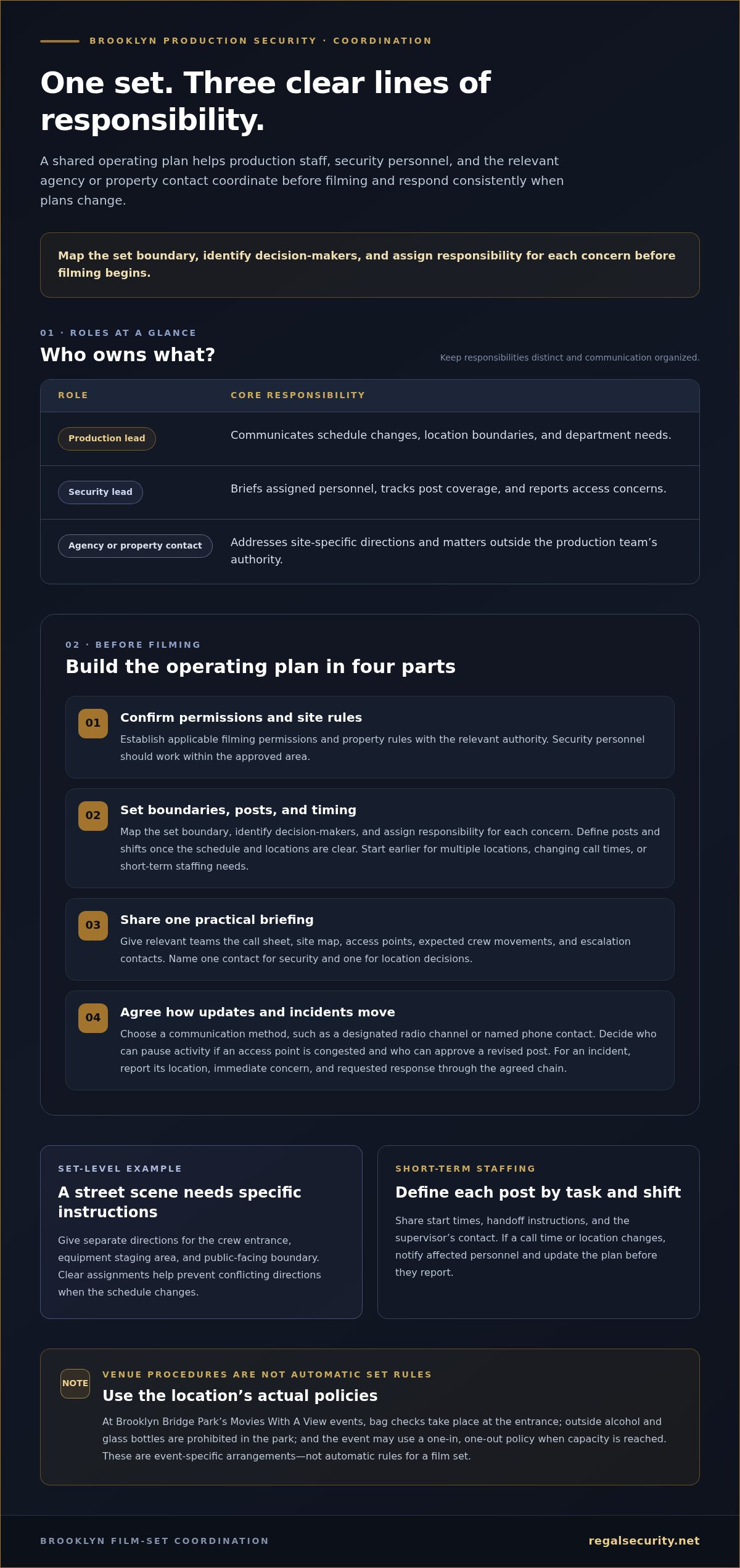
Brooklyn productions need a shared operating plan among production leads, security personnel, and relevant public agencies. Map the set boundary, identify decision-makers, and assign responsibility for each concern before filming begins. This gives crew members a clear way to report access, crowd, or equipment issues.
Requirements depend on the site and activity. Before assigning posts, production should establish applicable filming permissions and property rules with the relevant authority. Security personnel should work within the approved area.
Arrange coverage once the schedule and locations are clear enough to define posts and shifts. Start planning earlier when the shoot involves multiple locations, changing call times, or short-term staffing needs.
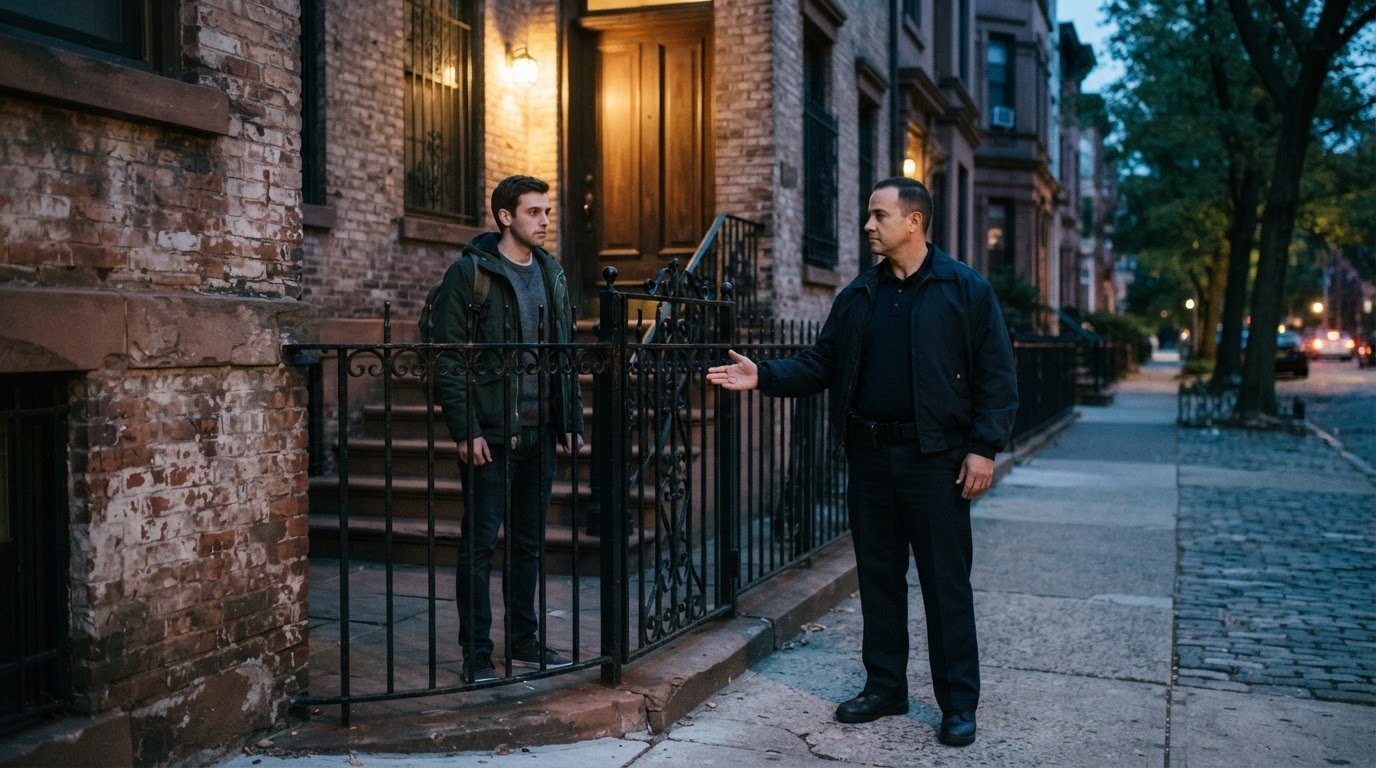
At the planning meeting, production should name one contact for security and one for location decisions. Share the call sheet, site map, access points, expected crew movements, and escalation contacts with the relevant teams. For example, a street scene may need separate instructions for the crew entrance, equipment staging area, and public-facing boundary. Clear assignments help prevent conflicting directions when the schedule changes.
Production lead: Communicates schedule changes, location boundaries, and department needs.
Security lead: Briefs assigned personnel, tracks post coverage, and reports access concerns.
Agency or property contact: Addresses site-specific directions and matters outside the production team’s authority.
Agree on a communication method before the first call time, such as a designated radio channel or named phone contact. Decide who can pause activity if an access point becomes congested and who can approve a revised post. If an incident occurs, personnel should report its location, immediate concern, and requested response through the agreed chain. This structure supports prompt decisions without creating competing instructions.
Brooklyn Bridge Park’s Movies With A View events illustrate how public-space procedures can shape coordination. Bag checks take place at the entrance, and outside alcohol and glass bottles are prohibited in the park. The event may use a one-in, one-out policy when capacity is reached. These are event-specific arrangements, not automatic rules for a film set. They show why productions should distinguish venue policies from their own access plans.
For short-term staffing, define each post by its task and shift rather than making a general request for coverage. A production might need someone at a crew entrance during arrivals, then a different assignment near equipment staging as departments move gear. Share start times, handoff instructions, and the supervisor’s contact before each shift. If a call time or location changes, notify affected personnel and update the plan before they report.
Before filming, review the contact chain with production staff and security personnel. Confirm who communicates location changes, who handles access disputes, and how the team records unresolved concerns. A brief, specific briefing makes coordination practical for a Brooklyn street scene, controlled location, or public-facing production area.
Consultation and customized security planning
A useful consultation turns the production schedule into a site-specific security plan. Start with the location, filming dates, call times, crew movements, and equipment staging areas. For a Brooklyn interior shoot, the entrance, loading area, and nearby public access may need different procedures. A waterfront exterior presents different boundaries and pedestrian patterns. The plan should reflect those conditions, not rely on a generic set template.
Bring practical materials to the planning discussion. A current schedule shows when departments arrive and activity shifts. A location map helps identify entrances, exits, restricted rooms, and gear staging areas. A production contact list clarifies who can approve changes. For a shoot at multiple locations, prepare a separate site profile for each one rather than assuming one arrangement fits every setting.
Next, identify the production’s priorities and when they matter most. Crew arrivals may require controlled access, while a quiet setup may call for a visible presence near equipment. Public-facing activity may require clearer separation between work areas and passersby. Describe each concern in practical terms: what needs protection, where it is, who needs access, and what changes during the day.
Review the site: Mark entrances, staging areas, restricted zones, and likely access routes.
Match coverage to activity: Connect each post or patrol task to a defined production need.
Set communication procedures: Name the production contact and the person who receives security updates.
Plan for changes: Identify how schedule, location, or access adjustments reach affected personnel.
For example, if a Brooklyn production moves equipment from a curbside unloading point to an interior set, the plan should describe that transition. Assign responsibility for monitoring the staging area, communicating when the move begins, and keeping the route clear for authorized crew. That detail helps prevent gaps caused by department changes or shifting call times.
Customized planning also considers how long coverage is needed. A short shoot may need coverage focused on arrivals, active filming, and wrap. A longer day may require handoffs or different assignments as crew activity changes. Define start and end points for each post, then make transitions clear. Do not leave a critical access point unassigned during a planned handoff.
Before filming, review the plan against the latest schedule and location layout. A changed entrance, revised equipment storage area, or added filming location can alter responsibilities. Keep the current plan accessible to the production lead and relevant security personnel. A brief site walkthrough can test whether routes, post locations, and instructions work as intended.
For productions seeking help translating these details into on-site coverage, production security planning can be part of the discussion. A focused consultation gives the team a defined basis for staffing decisions, site procedures, and updates when production needs change.
Film production security across New York City, Long Island, and Upstate New York
A production moving between Brooklyn, Long Island, and other regional New York areas needs coverage planned for each location. Compare site conditions, travel between locations, and the work happening at each set.
Regional Service Coverage
Regional planning should start with a location-by-location schedule, not one assumed arrangement for every set. A Brooklyn street scene, a Long Island warehouse, and a regional exterior can each have different access routes, staging areas, and public activity. Record each site’s layout, filming hours, equipment movements, and local contacts before assigning coverage.
For a multi-location production, create a separate briefing for each site and identify what changes between them. Note the arrival route, authorized entrances, restricted areas, and any transition requiring personnel to move. Account for travel and shift handoffs when sequencing locations so coverage responsibilities remain clear during relocation. Let the production schedule and site layout guide staffing decisions.
Film Set and Event Security
Film-set security follows production activity, including crew access, equipment handling, and changes between scenes. Standard event security generally focuses on attendee entry, crowd movement, and venue procedures. The assignment makes the difference: a set may need controlled crew access during load-in, while an event entrance may need consistent guest screening.
Brooklyn Bridge Park’s Movies With A View events offer a distinct public-event example. Bag checks take place at the entrance, outside alcohol and glass bottles are prohibited, and the event may use a one-in, one-out policy when capacity is reached. These procedures show how venue rules shape access, but they are not automatic requirements for film sets.
Insurance and liability planning should align written agreements, insurance documents, and the security assignment. Review which parties are named, what locations and activities the documents cover, how incidents are reported, and who handles claims communication. If a production films in Brooklyn and later moves to Long Island, compare each site and activity with the relevant documents.
Before confirming coverage, share the production schedule, location list, and proposed security duties with the appropriate production and insurance contacts. Ask them to identify any gap between the documented scope and planned work. For example, if the plan includes monitoring a staging area, confirm that the assignment and relevant documents clearly describe that responsibility.
Use a concise regional coverage brief to keep the plan practical:
Locations: List Brooklyn, Long Island, and other New York production sites separately.
Transitions: Mark moves, handoffs, and changes to access points.
Assignments: Match each post to crew, equipment, or attendee activity.
Documentation: Compare planned duties and locations with written agreements and insurance records.
This comparison helps production teams working with Regal Security distinguish a location-specific film-set plan from a standard event arrangement.
Film-set equipment and trailer protection
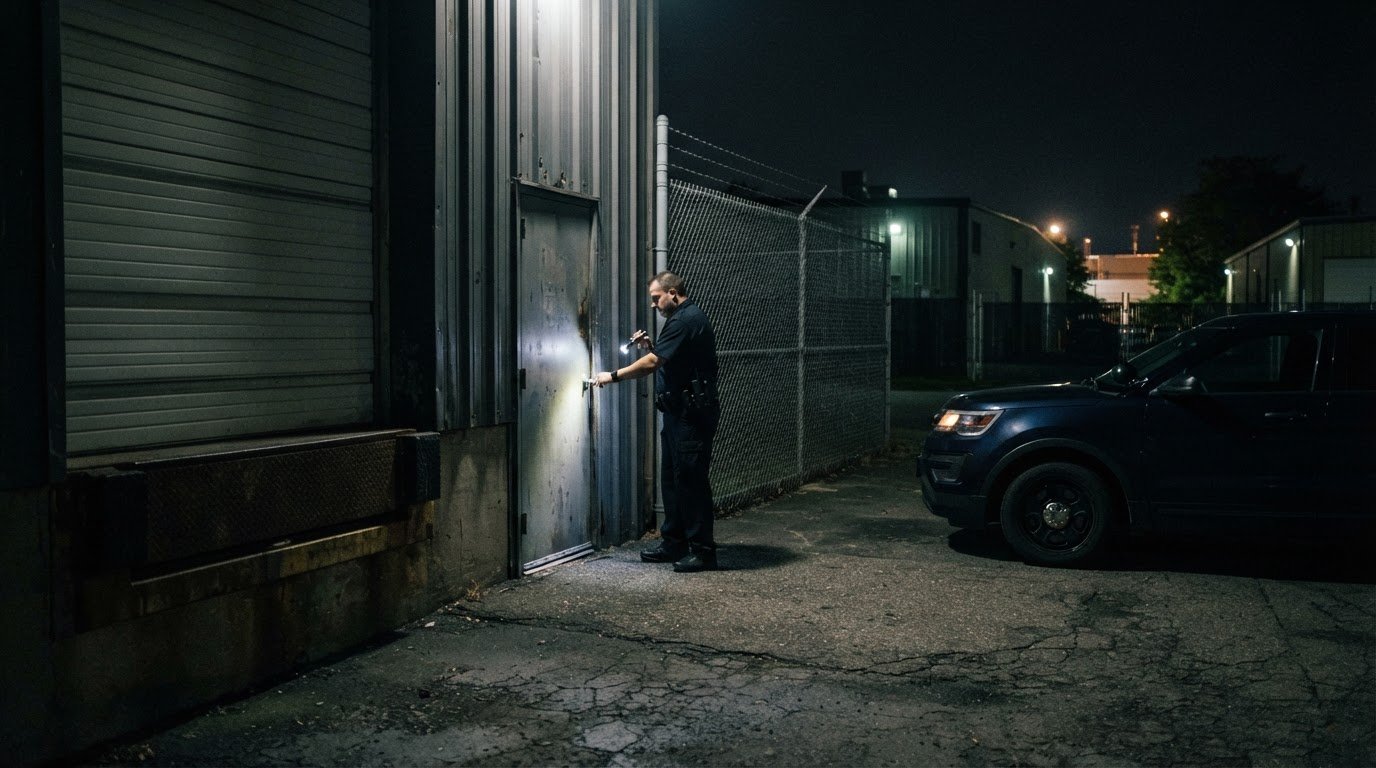
On a Brooklyn set, cameras, lighting cases, sound equipment, and production trailers may occupy different areas. Without a clear security assignment, access to gear can become difficult to manage, equipment may be misplaced or removed, and interruptions can disrupt filming. Defined oversight helps crews know who may enter storage and staging areas.
Prepare an equipment layout before unloading. Mark where cases arrive, where they wait, and where crews collect them. Identify trailer entrances, parking positions, and the route between storage and the set. For example, a camera case moved from a curbside drop to an interior location should have a defined handoff instead of being left in an open staging area.
Separate access by function. Crew members retrieving equipment may need a different route from visitors or production guests. A sign-in procedure or assigned access point can help distinguish authorized movement from incidental foot traffic. Production should also identify who can approve access to a locked trailer and who receives reports about an open door, missing case, or unexpected visitor.
Map equipment zones: Mark storage, loading, trailer parking, and the active set on the site plan.
Assign responsibility: Identify who oversees access and who answers questions about equipment movement.
Document transfers: Record which department moves a case and where it is delivered.
Review wrap procedures: Confirm how gear returns to storage or trailers after filming.
These steps help when departments move gear at different times. Lighting equipment may leave the set while sound equipment remains in use, for example. A clear boundary around each staging area helps prevent a busy load-out from obscuring which cases have moved and which remain.
Trailer protection also depends on placement and daily routines. Choose a position that allows crew access without putting the entrance directly in a public route. Keep the responsible production contact informed about trailer openings, deliveries, and parking changes. If a trailer must move during the shoot, update its location and access instructions before transferring equipment.
At wrap, compare the equipment plan with what remains on site. Production departments can identify items still in use, cases returning to trailers, and equipment scheduled for transport. Record unresolved discrepancies and pass them to the designated production contact. A consistent closeout reduces confusion between departments and makes the next call time easier to organize.
Unarmed Security Officers can provide an on-site presence at defined access points and equipment areas. For an individual whose movements call for discreet attention, Executive Protection addresses a different need from trailer or gear oversight. Matching the assignment to the location, exposure, and production activity keeps the plan focused on the set’s priorities.
Which Brooklyn security companies specialize in film and TV production sets?
Choose security support that can adapt to set operations rather than treating filming like a standard event. In Brooklyn, assess how a company would handle crew access, equipment movement, changing schedules, and location-specific procedures. A focused discussion of these tasks can show whether its approach fits your production.
Ask for a practical explanation of how proposed coverage would work on your set. A shoot with a staging area and separate crew entrance, for example, has distinct access needs. A useful plan should describe personnel assignments, the production contact directing them, and how schedule changes will be communicated.
Review the proposed scope alongside your call sheet and location layout. Look for clear responsibilities rather than broad promises. The company should be able to explain how it would organize these production details:
Set access: Identify authorized entrances and distinguish crew movement from visitor access.
Equipment areas: Define who monitors staging or storage areas and how concerns reach production.
Schedule changes: Explain how revised call times or scene moves affect assigned coverage.
Reporting: Name the production contact who receives updates and unresolved issues.
Compare the proposed plan with an actual example from your schedule. If a Brooklyn shoot moves from an exterior setup to an interior location, ask how coverage responsibilities change. If equipment remains staged while filming shifts elsewhere, clarify which area stays a priority. Specific answers help establish whether the company understands production workflow.
Distinguish a set assignment from general event coverage. A film crew may need managed access for departments and gear, while an event plan may focus on attendee entry and movement. For a production with public-facing activity, the plan should explain how crew procedures and public access are handled separately.
Before finalizing a scope, align it with the production’s location documents and insurance arrangements. The written assignment should clearly describe the work, location, and reporting relationship. If a production includes a Brooklyn street scene and a separate interior set, discuss both locations and their different duties.
A careful selection process is practical, not ceremonial. Share a schedule, describe the set layout, and ask for a response that maps proposed coverage to actual tasks. Then review the responsibilities with the production lead before filming begins. To discuss security coverage for a film or television production, connect with a production security team.
Regal Security: Unarmed Security Officers
Regal Security provides Unarmed Security Officers for productions seeking a professional on-site presence. For a Brooklyn shoot, officers can support defined access points and crew-facing areas as part of a plan shaped around the location and schedule. This service suits productions that need orderly access and a clear on-site presence without armed personnel.
Regal Security also offers Concierge Services, Vehicle Patrol, and Executive Protection. Each addresses a different security need, from a welcoming on-site presence to patrol support or protection for an individual. The right arrangement depends on the production’s priorities and the responsibilities defined for the assignment.
Share your location, schedule, and key security concerns with Regal Security to discuss an appropriate approach. Contact Regal Security to discuss your production’s security needs.
Set a Clear Plan for Your Next Production
Use the planning conversation to turn security priorities into a working brief. For film production security services in Brooklyn, share the current schedule, location details, access points, equipment movements, and the production contact who can approve changes. These details help align responsibilities with the shoot rather than assumptions.
Before filming, review the plan with the production lead and decide how updates will reach assigned personnel. If the production moves between locations, revise the site details and responsibilities accordingly. A current brief helps the team respond consistently as the schedule develops, while cast and crew focus on their work.
Regal Security offers Unarmed Security Officers, Concierge Services, and Vehicle Patrol for different on-site security needs. To discuss your production, contact Regal Security about production security. A thoughtful planning conversation is a sound step toward a more orderly set.
Frequently Asked Questions
What film production security services are available in Brooklyn, NY?
In Brooklyn, Regal Security offers Unarmed Security Officers, Concierge Services, Vehicle Patrol, and Executive Protection. For film production security services in Brooklyn, Unarmed Security Officers are the most directly relevant listed service for an on-site presence. The appropriate arrangement depends on the production’s needs and assignment. Share the location, schedule, and priorities when discussing coverage, including whether the set needs an on-site presence, entry support, patrol, or individual protection.
What does a film production security team typically handle?
Security personnel can support defined production responsibilities, such as observing who enters a restricted work area and reporting access concerns through the agreed contact. For example, production may assign coverage to the entrance used by cast and crew while departments prepare for filming. Creative and logistical decisions remain with production leadership. Clear written instructions help personnel understand their responsibilities during filming and wrap.
How do I hire licensed security guards for a Brooklyn film shoot?
Include licensing and assignment scope in your hiring process. For a Brooklyn shoot, select personnel whose credentials apply to the work and location, and review the documentation before assigning duties. Then define on-set responsibilities, reporting relationships, work hours, and location details in writing. A production brief describing the filming activity helps align requested coverage with the assignment and gives production staff a clear reference.
How many security guards does a film production need for a Brooklyn location shoot?
Set staffing levels by counting the duties that need separate, simultaneous coverage. A Brooklyn location with distinct crew and equipment access points may need a different arrangement from a contained interior set. Consider the site footprint, public-facing activity, schedule, equipment staging, and whether posts need continuous coverage during handoffs. Map each assignment first, then determine staffing from the coverage plan rather than using a fixed headcount.